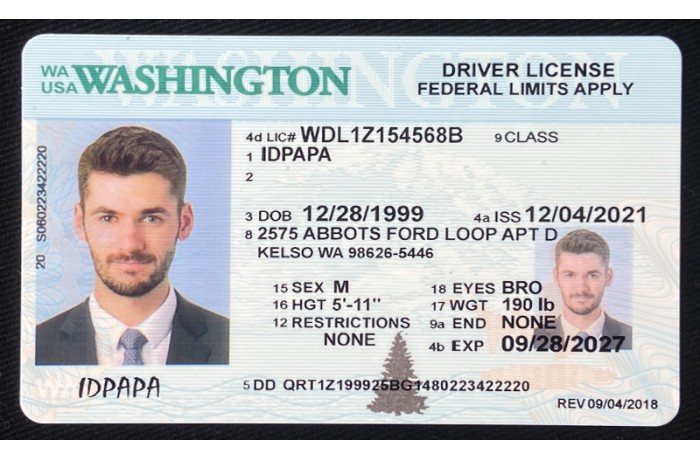
Protecting Your Digital Identity: A Guide to ID Fraud Prevention
In today's increasingly digital world, securing your digital identity is paramount. ID fraud presents a serious threat, with hackers constantly attempting to steal sensitive information for malicious purposes.
Here's outline some essential steps you can take to reduce the risk of becoming a victim of ID fraud:
* **Complex Passwords:**
Create unique and memorable passwords for each account you use. Avoid common copyright, phrases, or easily detectable information.
* **Multi-Factor Authentication (MFA):**
Enable MFA whenever possible. This adds an extra layer of defense by requiring a second form of verification, such as a code sent.
* **Regularly Update Software:**
Keep your operating system and software up to date. Security fixes often address vulnerabilities that can be used data breaches.
* **Be Wary of Phishing Attempts:**
Carefully review emails, texts, and phone calls from unknown sources. Don't click on links or download attachments unless you are completely confident they are legitimate.
* **Monitor Your Accounts Regularly:**
Review your bank statements, credit card bills, and other financial documents frequently. Look for any unauthorized transactions or unusual charges.
By following these guidelines, you can effectively reduce the risk of falling victim to ID fraud and safeguard your digital identity.
Navigating the Labyrinth: Understanding copyright Laws and Penalties
The allure of a copyright might seem tempting, a quick fix to underage drinking or restricted access. However, the reality is far more severe. copyright laws are implemented with heavy penalties across jurisdictions, and the consequences of possession or use can be substantial.
Penalties for copyright offenses vary widely depending on factors such as location. They can range from mandatory jail time to more lengthy incarcerations for repeat offenders.
- Understanding the intricacies of copyright laws is crucial to preventing potential legal trouble. It's important to be aware about the specific regulations in your area.
- Attorneys can provide valuable guidance and elucidate any confusions regarding copyright laws.
Ultimately, the risks associated with a copyright far outweigh any perceived benefits. Making responsible choices is essential to ensure your well-being.
Next-Gen ID Verification: The Biometric Revolution
Biometric authentication is rapidly evolving into the leading method for authenticating identity. Leveraging unique physical traits, such as fingerprints, iris scans, and facial recognition, biometric systems offer a more secure degree of protection compared to traditional methods like passwords and PINs.
As technology advances, biometric applications are becoming more accessible, integrating into our routines. This shift is driven by the need for reliable identity assurance in a world increasingly reliant on virtual interactions.
The future of identity verification lies certainly in these solutions. They offer a seamless interaction while providing exceptional security.
Elevating Trust Through Technology: Advanced Identity Verification Solutions
In today's increasingly digital realm, safeguarding user trust is paramount. Sophisticated identity verification solutions are emerging as a vital tool to combat fraud, enhance security, and foster confidence in online interactions. By leveraging cutting-edge technologies such as biometrics, artificial intelligence, and blockchain, these systems provide a multi-layered approach to verify user identities with unprecedented accuracy and reliability.
This shift towards comprehensive identity verification not only mitigates the risks associated with fraudulent activities but also creates a more secure and transparent online experience for both individuals and businesses. As technology continues to evolve, we can expect even advanced solutions that will further elevate trust in the digital world.
Mitigating ID Theft in the Digital Age: Strategies for Individuals and Businesses
In today's interconnected world, identity theft poses a significant risk to both individuals and businesses. As our lives become increasingly digitized, criminals are finding novel ways to exploit vulnerabilities to steal personal data. To effectively address this growing issue, a multifaceted approach is required, encompassing comprehensive security measures and heightened consciousness among individuals and organizations.
Individuals can take several proactive steps to safeguard themselves from identity theft. These include:
* **Creating strong, unique passwords** for each online account and enabling two-factor authentication whenever possible.
* **Regularly monitoring credit reports** for suspicious activity and quickly reporting any irregularities to credit bureaus.
* **Being cautious about sharing personal information** online or over the phone, and verifying the legitimacy of websites before providing sensitive data.
Businesses also have a essential role to play in preventing identity theft. This involves implementing comprehensive security measures such as:
* Encrypting customer data both in transit and at rest.
* Conducting regular security audits for identify vulnerabilities.
* Training employees on best practices for data protection.
By adopting a proactive and collaborative approach, individuals and businesses can work together to minimize the risk of identity theft and create a more secure digital environment.
The Evolution of Security: Embracing Biometrics
In an era where data breaches are becoming increasingly common, traditional passwords are proving inadequate. Hackers constantly find new ways to circumvent weak authentication methods, putting sensitive information at risk. Thankfully, innovative biometrics offer a compelling solution, enhancing both security and convenience for users. Facial Scan technology allows individuals to login their identity using unique biological traits, creating a robust barrier against unauthorized access. Biometric systems are inherently more secure than passwords because they cannot be easily copied or stolen.
- Moreover, biometrics offer a seamless user experience. Individuals no longer need to remember complex passwords or worry about forgetting them. Simply by providing a fingerprint scan, voice sample, or facial recognition, access can be granted effortlessly.
- These shift towards biometric authentication has the potential to revolutionize various sectors, including finance and healthcare to government and retail.
Consequently, businesses can leverage biometrics to protect valuable data, reduce fraud, and enhance customer Social media and fake IDs trust.